(251) 432-6691
 Call Us Now
 Email Us Now
If a drunk driver hit you in Orange Beach, Gulf Shores, or Fort Morgan, you can make a claim against that driver. Sometimes the bar or restaurant that kept serving them can be responsible too. Alabama changed that law in 2023, and the change matters for anyone hurt during the busy holiday stretch on the Baldwin coast. Lattof Injury Law has helped injured people since 1952, and injury cases are handled on a contingency fee: you owe nothing, not even case costs, unless we recover for you. Facts control every claim.
Start with the driver
The drunk driver is the first place a claim looks. Driving drunk is against the law, and a driver who causes a crash while impaired can be held responsible for your medical bills, lost pay, pain, and the damage to your car. A DUI arrest or conviction is a separate criminal case. You don’t have to wait for the criminal case to end before you protect your injury claim, and the outcome of that case does not decide your civil claim by itself.
The hard part is often money, not fault. A driver who drinks and drives may carry only the minimum insurance, or none. That is where your own uninsured and underinsured motorist coverage can come in. See UM coverage vs. no insurance after a beach crash. A second responsible party, like a bar that over-served the driver, can also matter when the driver’s coverage is too small to pay for serious injuries.
When a bar or restaurant can be responsible in Alabama
Alabama’s law on this is called the Dram Shop Act, at Ala. Code § 6-5-71. In 2023 the Legislature rewrote it (Act 2023-25). Here is what the current version says, in plain words:
- The general rule protects the seller. A business or person that sells or serves alcohol to someone of legal drinking age is not, just by doing that, responsible for what the drinker does afterward.
- The exception is serving someone who is visibly intoxicated. If a seller knowingly sells, furnishes, or serves alcohol, contrary to law, to a person who was visibly intoxicated, and that service is the proximate cause of your injury, you have a right to sue that seller.
- “Knowingly” includes “should have known.” The statute defines knowingly as “knew or should have known under the circumstances.” A server who ignores obvious signs is not off the hook just by saying they didn’t notice.
- Proof has to be real. Whether the drinker was visibly intoxicated is judged by the totality of the circumstances when the drink was served. The evidence has to be direct, or, if it is circumstantial, it cannot ask a jury to speculate.
- The damages can be significant. The statute allows “all damages actually sustained as well as exemplary damages.” Exemplary damages are punitive damages, meant to punish and deter.
- You can sue the driver and the seller together or separately. The law lets the injured person bring one case against both, or separate cases.
- The drinker can’t use it. The person who did the drinking cannot sue the seller for their own injuries from drinking.
Alabama has a separate statute for alcohol sold or furnished to minors. Under Ala. Code § 6-5-70, a parent or guardian can sue someone who unlawfully sells or furnishes liquor to a minor when that person knew, or was chargeable with knowing, the buyer was a minor. Those cases have their own rules, so call us if an underage drinker was involved.
Why the evidence goes away fast
A claim against a bar rises or falls on what the staff could see when they poured the last drinks. That proof is usually in the hands of the business and other people, and much of it doesn’t last:
- Itemized tabs and card receipts showing how many drinks, and when.
- Security video from the bar, the parking lot, and nearby businesses, which is often recorded over on a routine schedule.
- Witnesses who saw the driver slurring, stumbling, or arguing before they left.
- Phone photos, videos, and social media posts from that night.
- The police crash report and any DUI paperwork. See how to get your police report after a crash in Baldwin County.
A lawyer can send a written request to preserve that evidence early, before it is lost. That is one of the most useful things to do in the first days after a crash like this.
What to do after a crash with a drunk driver
- Get medical care, even if you feel okay. Adrenaline hides injuries.
- Tell the officer anything you noticed about the other driver, such as the smell of alcohol, slurred speech, or open containers.
- Write down where the driver said they had been, if they said it at the scene, and the names of any witnesses.
- Photograph the scene, both vehicles, and your injuries.
- Don’t give a recorded statement to the other driver’s insurer before you get advice. See Should you give a recorded statement after a crash?
- Call a lawyer quickly so the bar’s video and records can be requested before they disappear.
Alabama’s fault rule still matters
Alabama follows contributory negligence. If you are found even slightly at fault for your own injury, you can lose your claim against a careless party. Insurers know this and look for anything to blame on you, like speed, a missed signal, or a late-night drink of your own. See Alabama’s 1% contributory negligence rule after a beach crash. That is one more reason to be careful about what you say before you have talked to a lawyer.
Visiting? You can still pursue a claim from home
Many people hurt on the Baldwin coast are visitors who drive home before they know how badly they were hurt. You can still pursue an Alabama claim after you leave. We work with clients by phone and Zoom. See Hurt on vacation in Alabama, then went home.
Don’t wait too long. Alabama generally gives two years to file a personal injury lawsuit (Ala. Code § 6-2-38(l)), and some claims can have different deadlines. The bar’s video and records usually last a lot less than that.
Frequently asked questions
The driver was arrested for DUI. Do I still need to do anything?
Yes. The criminal case is brought by the state, and it is about punishment. It does not file an injury claim for you or pay your medical bills. Your civil claim has to be pursued separately.
How would I even know which bar served the driver?
Sometimes the driver says so at the scene, or it is in the police paperwork. Other times it comes out from receipts, card records, phone data, or witnesses. Finding it is part of the investigation a lawyer does.
Can I sue a friend who hosted a party where the driver drank?
The current statute protects people who serve adults of legal drinking age, unless they knowingly served someone who was visibly intoxicated, contrary to law. Whether a private host fits that exception depends on the facts. Serving alcohol to a minor raises separate questions. Talk to a lawyer about the specifics.
I was a passenger in the drunk driver’s car. Can I make a claim?
Possibly, but passenger cases raise hard questions under Alabama’s fault rules, especially if you knew the driver had been drinking. Call us before you talk to any insurer.
Talk to Mitch or Ashton about a drunk driving crash
Hit by a drunk driver in Orange Beach, Gulf Shores, or Fort Morgan? Call Mitch or Ashton Lattof at 251-432-6691 or use our contact form. Lattof Injury Law has been a family firm since 1952. We keep a small caseload, and we often help visitors who were injured on the Baldwin coast and then went home, from The Wharf office in Orange Beach, by phone, or by Zoom. Learn more about our car accident cases. Injury cases are handled on a contingency fee: you owe nothing, not even case costs, unless we recover for you. Facts control every claim.
This post is general educational information, not legal advice, and not a promise about any case. Alabama advertising disclosures: lattoflaw.com/disclaimer/.
Lattof Injury Law, 4593 Main Street, Suite C-204, Orange Beach, AL 36561 (The Wharf). Phone: 251-432-6691.
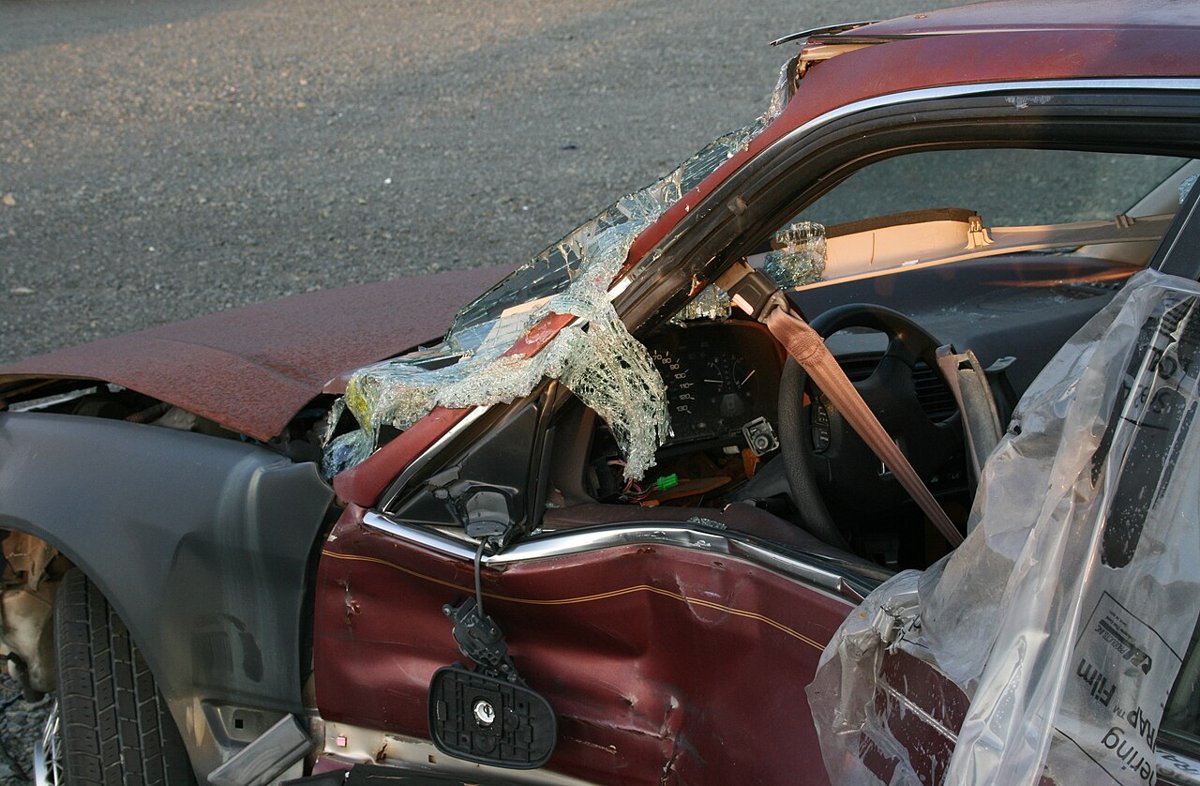
Photo: Ildar Sagdejev / Wikimedia Commons, CC BY-SA 4.0