(251) 432-6691
 Call Us Now
 Email Us Now
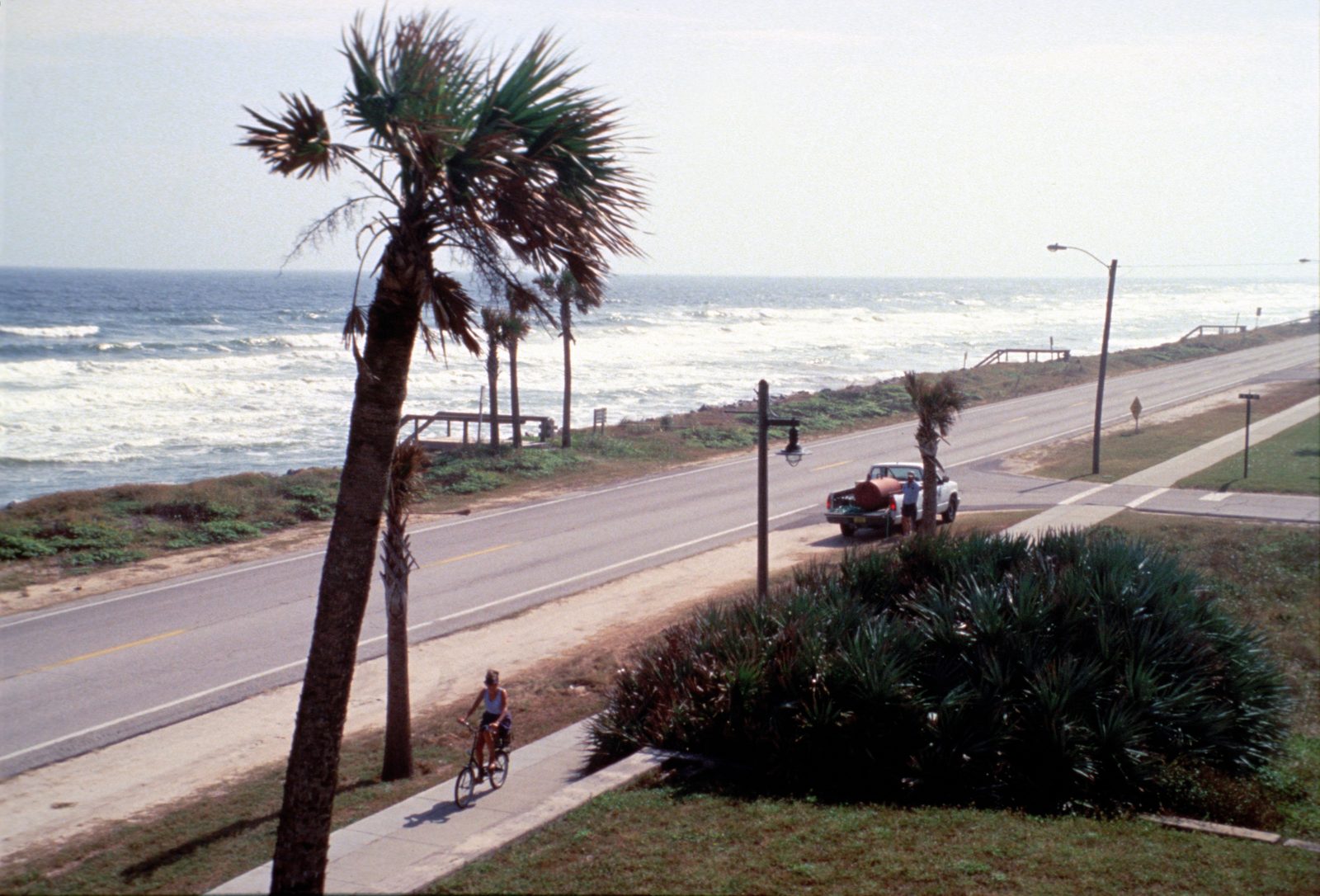
Evenings on the Baldwin coast bring a lot of people out on foot and on bikes: walking from a condo to dinner, crossing to the beach access, riding a rental bike along the shoulder. When a driver hits someone who is walking or riding, the injuries are often serious, and the insurance company’s first question is usually whether the person on foot or on the bike did anything wrong. In Alabama, that question matters more than almost anywhere else. This post explains the rules that apply and what to do in the first days.
Lattof Injury Law is at The Wharf, 4593 Main Street, Suite C-204, facing Canal Road (AL-180) and visible from Canal Road. Mitch and Ashton Lattof handle vehicle crash claims across Orange Beach, Gulf Shores, Fort Morgan, and the rest of the Baldwin County coast, including crashes involving pedestrians and bicyclists. Call 251-432-6691. The first conversation is free. Injury cases are handled on a contingency fee: you owe nothing, not even case costs, unless we recover for you. Facts control every claim.
Why fault is the whole fight in an Alabama pedestrian or bike case
Alabama follows contributory negligence. If the insurer can show that the injured person was even slightly at fault, it will argue that the person can recover nothing. We explain that rule in Alabama’s 1% contributory negligence rule after a beach crash. For people walking or riding, the insurer’s usual arguments are that they crossed outside a crosswalk, stepped out suddenly, wore dark clothes at night, rode on the wrong side, or had been drinking.
Those arguments are not the end of the story. The statutes put real duties on drivers too, and the facts of the scene often answer the insurer’s version.
What Alabama law says drivers and pedestrians must do
- Crosswalks. Where there is no working traffic signal, a driver must yield, slowing or stopping if needed, to a pedestrian crossing in a crosswalk on the driver’s half of the road, or approaching so closely from the other half as to be in danger (Ala. Code § 32-5A-211(a)). A driver also may not pass a car that has stopped at a crosswalk to let someone cross (§ 32-5A-211(d)).
- Turning on a green or red light. Drivers turning at a signal must yield to pedestrians lawfully in the intersection or an adjacent crosswalk (§ 32-5A-32).
- Every driver must use due care. No matter where a pedestrian is, a driver must exercise due care to avoid hitting them, sound the horn when necessary, and take proper precautions on seeing a child or an obviously confused, incapacitated, or intoxicated person (§ 32-5A-213).
- Pedestrians have duties as well. A pedestrian crossing outside a marked crosswalk or an unmarked crosswalk at an intersection must yield to vehicles (§ 32-5A-212(a)). A pedestrian should not suddenly step into the path of a car that is too close to stop (§ 32-5A-211(b)). Where there is a usable sidewalk, pedestrians should use it; where there is none, they should use the shoulder, and with no shoulder, walk on the left side facing traffic (§ 32-5A-215).
So a pedestrian hit outside a crosswalk does not automatically lose. The questions become where exactly the person was, what the driver could see, how fast the driver was going, and whether the driver was paying attention.
Bicyclists: the same road rules, plus a three-foot passing rule
A person riding a bicycle on the road has the same rights and duties as the driver of a vehicle, with some bike-specific rules (§ 32-5A-260). Riders should stay as near to the right side of the road as practicable, ride no more than two abreast except on bike paths, and use an adjacent bike path where a usable one is provided (§ 32-5A-263).
Drivers passing a bicycle must do so at a safe distance. Alabama defines that as at least three feet when the rider is within two feet of the right shoulder and the road either has a marked bike lane, or has a posted speed limit of 45 mph or less and no double yellow no-passing line (§ 32-5A-82). A driver who clips a rider while squeezing past may have broken that rule.
When the driver had the last clear chance
Alabama recognizes a doctrine courts call subsequent negligence, also known as last clear chance. Even if the injured person was careless in getting into a dangerous spot, the driver can still be responsible if the driver actually knew the person was in danger and then failed to use reasonable care that would have avoided the crash (Treadway v. Brantley, 437 So. 2d 93 (Ala. 1983); Zaharavich v. Clingerman, 529 So. 2d 978 (Ala. 1988)). The driver’s knowledge can be inferred from evidence such as a clear view down the road, but the doctrine generally does not apply when the danger appeared and the impact happened almost at the same instant. That is why distances, sight lines, lighting, and timing, all of which come from the scene, matter so much.
What to do in the first days
- Call 911 and get checked out. Ask for police to come to the scene. Orange Beach, Gulf Shores, or the county may handle it depending on where it happened. Our post on getting the police report after a Baldwin County crash explains how to request it.
- Photograph the scene, or have someone do it. The crosswalk or lack of one, the nearest signal, streetlights, the shoulder or sidewalk, where you ended up, the car’s damage, and your bike or shoes. Take some photos at the same time of day if you can go back.
- Keep the bike and your clothes. Don’t repair or throw out the bike, helmet, lights, or clothing. Damage patterns and reflective gear can show where the car hit and what the driver could have seen.
- Get names and numbers. Witnesses on a beach weekend often go home a few days later.
- Look for video. Restaurants, condo towers, gas stations, and homes along the road often have cameras, and many record over footage on a schedule. Ask quickly, in writing.
- Be careful with the driver’s insurer. Don’t guess about distances or speed, and don’t apologize. See what to know before giving a recorded statement.
Whose insurance pays when you were on foot or on a bike?
Usually the first place to look is the driver’s liability insurance. If the driver had none, didn’t have enough, or drove off, your own auto policy’s uninsured or underinsured motorist coverage may still apply even though you weren’t in your car. Policies differ, so keep a copy of yours. Our post on uninsured motorist coverage after a beach crash walks through how that works.
Already home after vacation?
Many visitors hit while walking or riding in Orange Beach, Gulf Shores, or Fort Morgan are back home before they understand how badly they were hurt. You can still pursue an Alabama claim from home. We work with clients by phone and Zoom. See Hurt on vacation in Alabama, then went home.
Don’t wait too long. Alabama generally gives two years to file a personal injury lawsuit (Ala. Code § 6-2-38(l)), and scene evidence such as video and witness memories usually fades much sooner.
Frequently asked questions
I wasn’t in a crosswalk. Do I still have a case?
Possibly. A pedestrian outside a crosswalk has to yield, and the insurer will use that. But drivers still have a duty of due care toward every pedestrian, and if the driver saw you in time to stop and didn’t, the last clear chance doctrine may apply. It turns on the facts.
I was riding a rental bike. Does that change anything?
The road rules are the same. Keep the rental agreement and any photos of the bike, and let the rental company know about the crash in writing. If the bike itself failed, that can raise separate questions.
I’d had a drink at dinner. Does that end my claim?
Not automatically, but expect the insurer to raise it. Alabama law tells drivers to take extra care around people who are obviously intoxicated (§ 32-5A-213). Talk to a lawyer before you discuss it with any adjuster.
My child was hit while walking or riding. Is that different?
Children’s cases raise different questions, and drivers are specifically required to take proper precautions when they see a child. The timing rules for minors also differ. Call us to talk through your family’s situation.
Talk to Mitch or Ashton about a pedestrian or bike crash
Hit by a car while walking or riding in Orange Beach, Gulf Shores, or Fort Morgan? Call Mitch or Ashton Lattof at 251-432-6691 or use our contact form. Lattof Injury Law has been a family firm since 1952. We keep a small caseload, and we often help visitors who were injured on the Baldwin coast and then went home, from The Wharf office in Orange Beach, by phone, or by Zoom. Injury cases are handled on a contingency fee: you owe nothing, not even case costs, unless we recover for you. Facts control every claim.
This post is general educational information, not legal advice, and not a promise about any case. Alabama advertising disclosures: lattoflaw.com/disclaimer/.
Lattof Injury Law, 4593 Main Street, Suite C-204, Orange Beach, AL 36561 (The Wharf). Phone: 251-432-6691.